A lower energy bill, greater living comfort, and a home better prepared for the future. More and more homeowners are exploring how to make their homes more sustainable. This often involves insulation, solar panels, high-efficiency double glazing, or a heat pump. Although the benefits are clear, the investment remains a major question for many people.
Fortunately, there are various ways to finance sustainability measures. Which option fits best depends on the property, the financial situation, and the scope of the plans. With sound mortgage advice in Meppel , you gain insight into the possibilities and the implications for monthly costs.
Making your home more sustainable yields more than just a lower energy bill.
Many people start making their homes more sustainable to save energy. That is understandable, as energy costs constitute a significant portion of monthly housing expenses. However, the benefits extend beyond just a lower bill.
A well-insulated home feels more comfortable throughout the year. In winter, heat stays inside longer, while in summer the home remains cooler. Additionally, making a home more sustainable can contribute to a better energy label, which increases the attractiveness of a property on the housing market.
Using savings for sustainability
For smaller sustainability projects, many homeowners choose to use savings. Examples include installing extra insulation, replacing lighting, or fitting energy-saving features.
The advantage of this is that no additional financing is required. As a result, monthly costs remain the same and no additional financial obligations arise. However, it is wise to assess in advance how much financial leeway remains available after the investment. A healthy buffer for unexpected expenses remains important.
Making your home more sustainable through the mortgage
For larger investments, the options within the existing mortgage are regularly reviewed. If there is sufficient income and property value, it may be possible to utilize additional financing capacity for energy-saving measures.
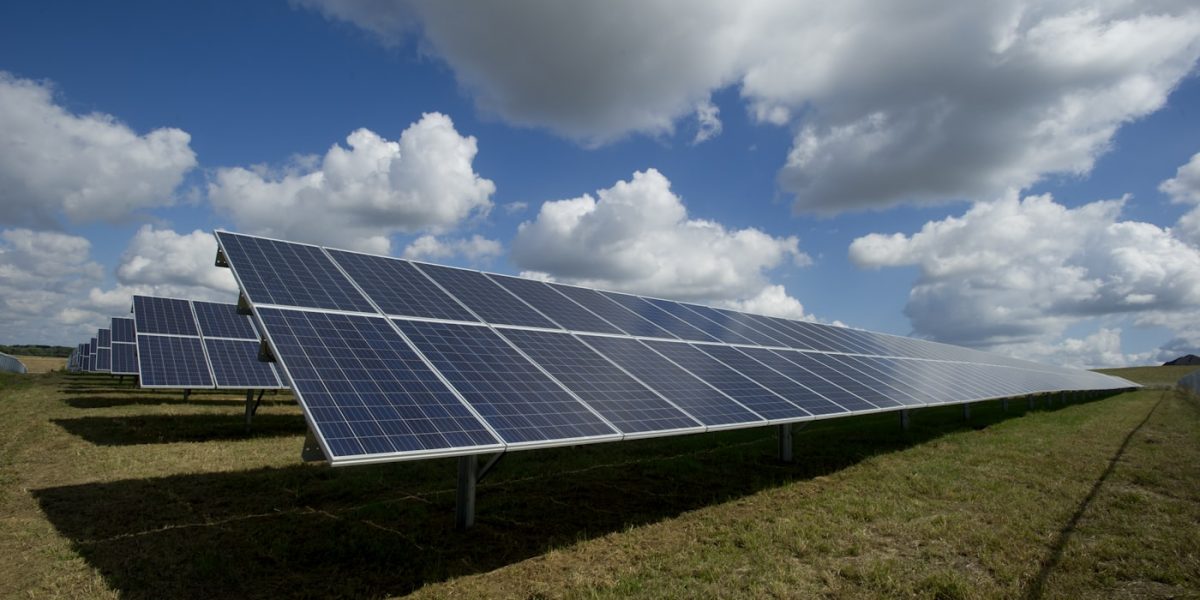
This is used, for example, for solar panels, roof insulation, facade insulation, or replacing outdated window frames. Because making a home more sustainable improves its quality, there are various options within the mortgage market to co-finance such investments.
For homeowners with a mortgage in Zwolle, it may be worthwhile to investigate what room is available within their current mortgage for sustainability plans.
A loan for energy-saving measures
Not every sustainability upgrade needs to be financed through a mortgage. In some situations, a loan can be a suitable choice.
This occurs primarily when a limited amount is required or when a mortgage adjustment proves less attractive. A loan offers clarity in advance regarding the term and monthly costs. Which form of financing is most suitable depends on the size of the investment and the personal financial situation.
Subsidies can reduce the investment
In addition to savings, a mortgage, or a loan, there are regularly subsidy schemes for making homes more sustainable. These schemes are intended to make energy-saving measures more attractive to homeowners.
The available subsidies vary by measure and change regularly. Therefore, it is advisable to investigate in advance which schemes apply to the planned activities.
Making things sustainable starts with a financial plan
A sustainable home does not come about overnight. Improvements are often carried out step by step, with choices tailored to budget, living preferences, and future plans.
Good mortgage advice in Meppel helps to gain insight into the available financing options and the impact on monthly payments. Additionally, it can be determined which measures best suit the property and the financial situation.